How can we protect dangerous jobs with exposure to environmental conditions creating a health risk, such as firefighters, oil rig crews, and industrial teams?
Temperature Monitoring for High Risk Jobs
Workers in high-risk environments face extreme conditions every day. Firefighters, oil rig crews, utility workers, and industrial response teams often operate in heat, heavy gear, confined spaces, and unpredictable weather. In these settings, temperature monitoring is more than a wellness feature. It can be a critical safety tool.
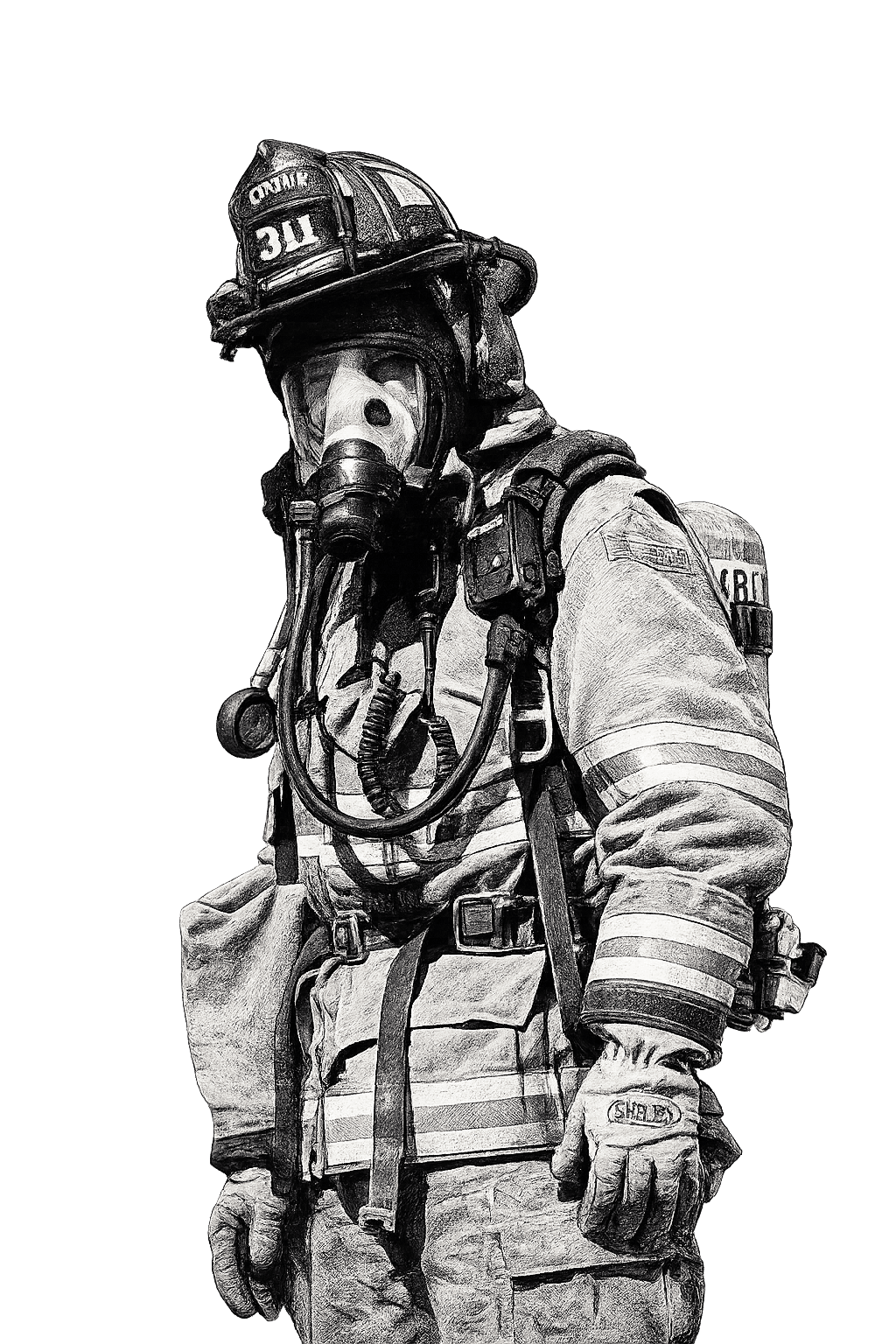
When the body overheats, performance can decline quickly. A worker may become fatigued, confused, dehydrated, or less able to respond to danger. In severe cases, heat stress can become life-threatening. For firefighters, the risk increases because protective gear traps heat while the surrounding environment may already be dangerously hot. For oil rig teams, long shifts, direct sun exposure, flame hazards, and physically demanding work can create similar risks.
Photo by Grant Durr on Unsplash

Data from Monitoring
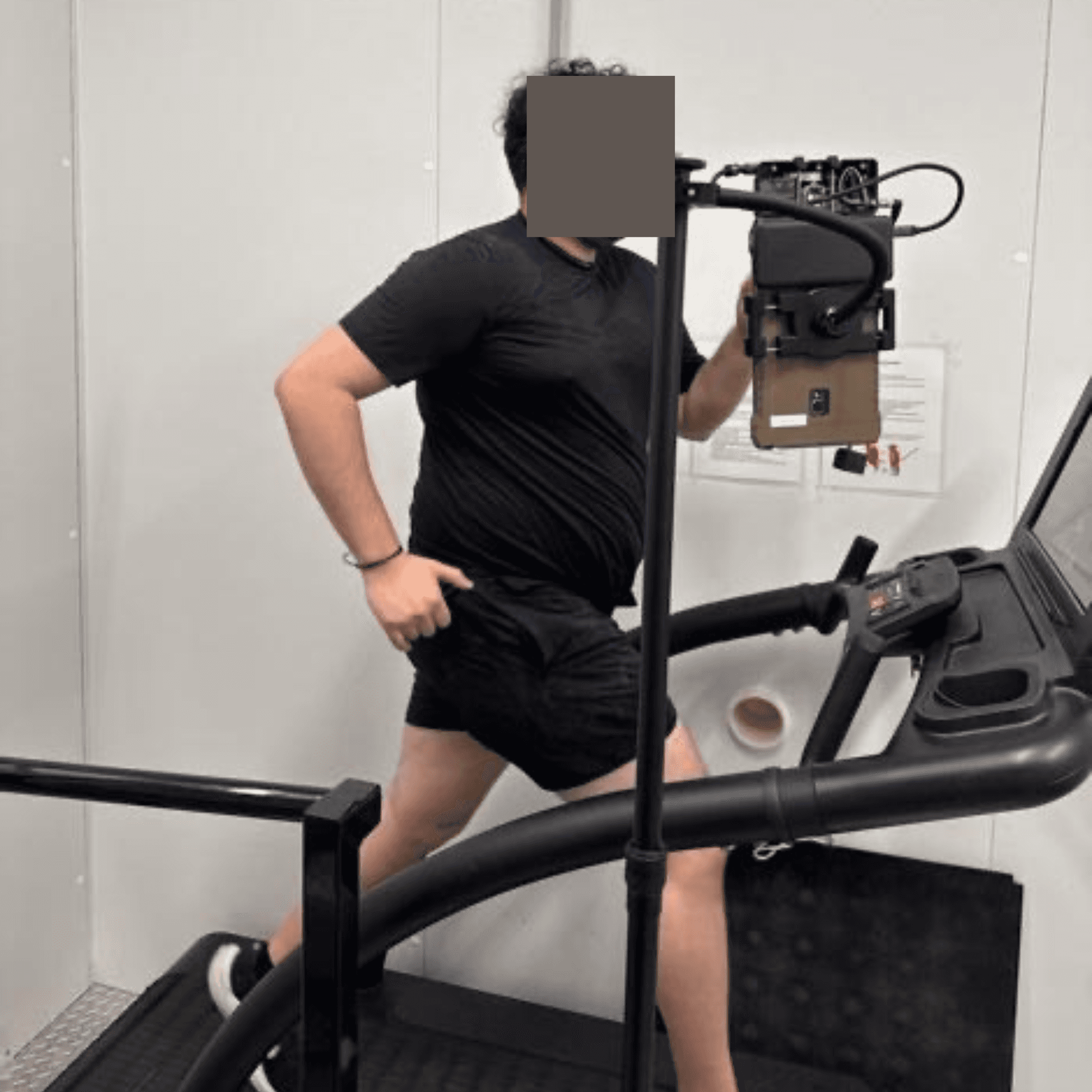
Temperature monitoring can help identify early warning signs before a situation becomes an emergency. Wearable sensors, thermal imaging, and connected monitoring systems can track changes in body temperature or environmental conditions in real time. This allows safety leaders to make faster decisions, such as rotating workers out of high-heat zones, adjusting break schedules, increasing hydration, or sending medical support when needed.
For teams, the value is not just in collecting data. It is in turning that data into action. A strong temperature monitoring system should be simple, durable, and easy to use in the field. It should provide clear alerts, work in harsh environments, and support decision-making without distracting workers from the job.

Why It Matters
As industries continue to adopt smarter safety technologies, temperature monitoring will play an important role in protecting people who work in extreme conditions. For firefighters, oil rig crews, and other frontline teams, early detection can mean fewer injuries, better performance, and safer outcomes for everyone on site.

More Tech