BlinkThermal’s XTEMP and the Future of Heat Monitoring for U.S. Troops
Heat stress remains one of the most persistent and underestimated threats to military readiness. According to official military health reporting, the U.S. Armed Forces recorded 415 heat stroke cases and 2,263 heat exhaustion cases in 2023 alone. Defense health experts also note that more than 2,500 warfighters continue to be affected by heat-related illness each year, particularly during strenuous outdoor activity in hot conditions. Training in heat is often unavoidable because service members must prepare for the same environments in which they may later operate. Foot marches and timed runs are among the activities most commonly associated with heat injury risk.
That risk does not disappear once training ends. Military public health guidance emphasizes that heat stress is a readiness issue during both training and deployment, especially when troops are working outdoors in uniform, under load, and in environments where high temperatures are common. Official reporting shows that heat illnesses also occur among deployed service members in the CENTCOM area of responsibility, with 258 cases recorded from 2019 through 2023 and three medical evacuations during that period. The broader military conversation is also shifting toward the reality of hotter operational conditions, including high-desert and other heat-prone terrain where exposure can be constant and cumulative.
The Impact of XTEMP
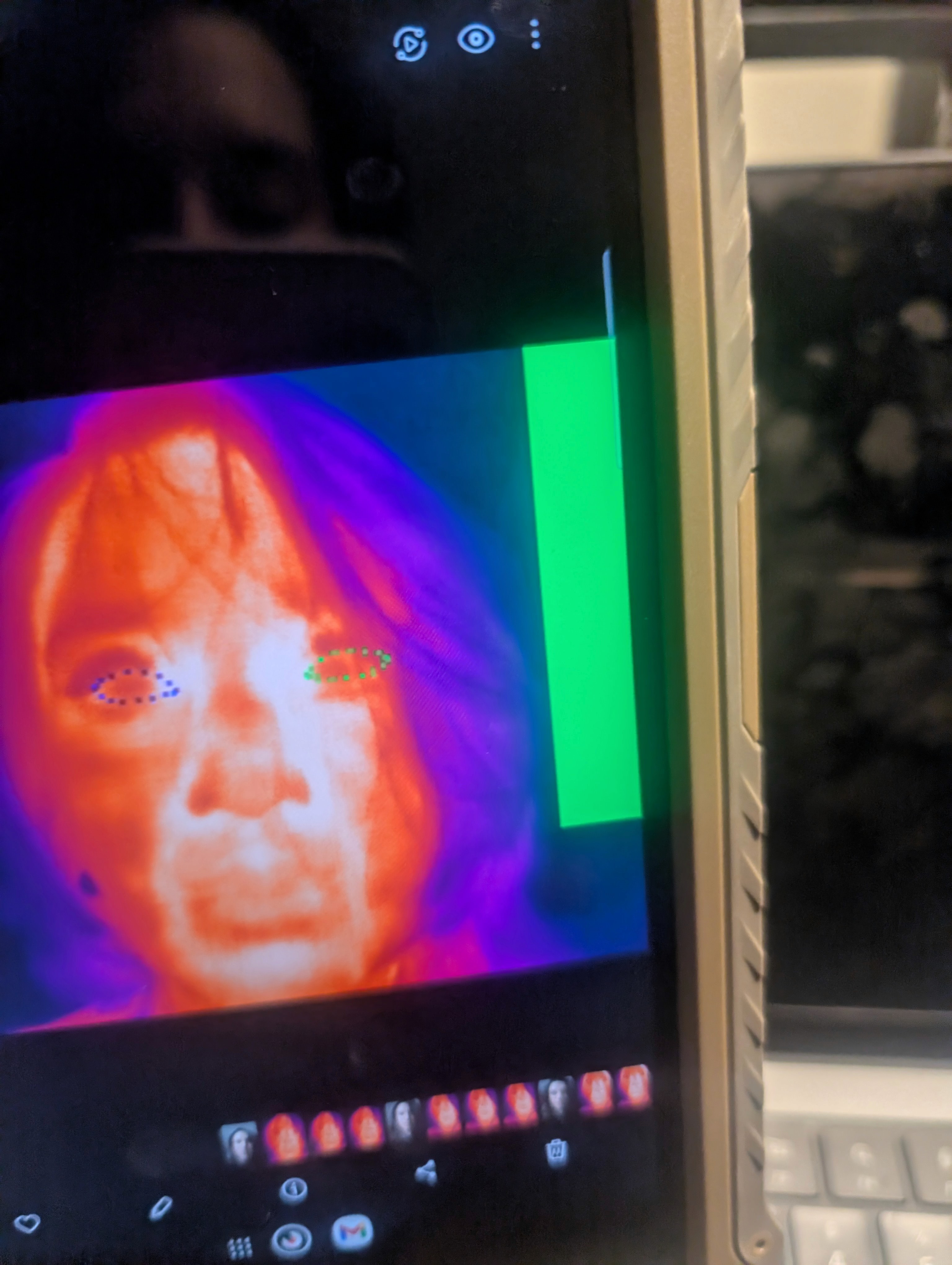
This is the context in which BlinkThermal’s XTEMP technology becomes especially compelling. BlinkThermal describes XTEMP as a compact infrared system that can transform a smartphone into a touch-free thermal health monitor. In the company’s military-focused materials, XTEMP is presented as an infrared-based technology designed to monitor core body temperature from the back of the eye and to do so rapidly, without contact, using devices medics may already carry. In 2024, BlinkThermal received a U.S. Air Force Phase II STTR award titled Development and Validation of BlinkThermal’s XTEMP for Rapid, Contactless Core Body Temperature Measurement to Prevent Exertional Heat Injury, signaling that the technology is being developed specifically for this operational problem.
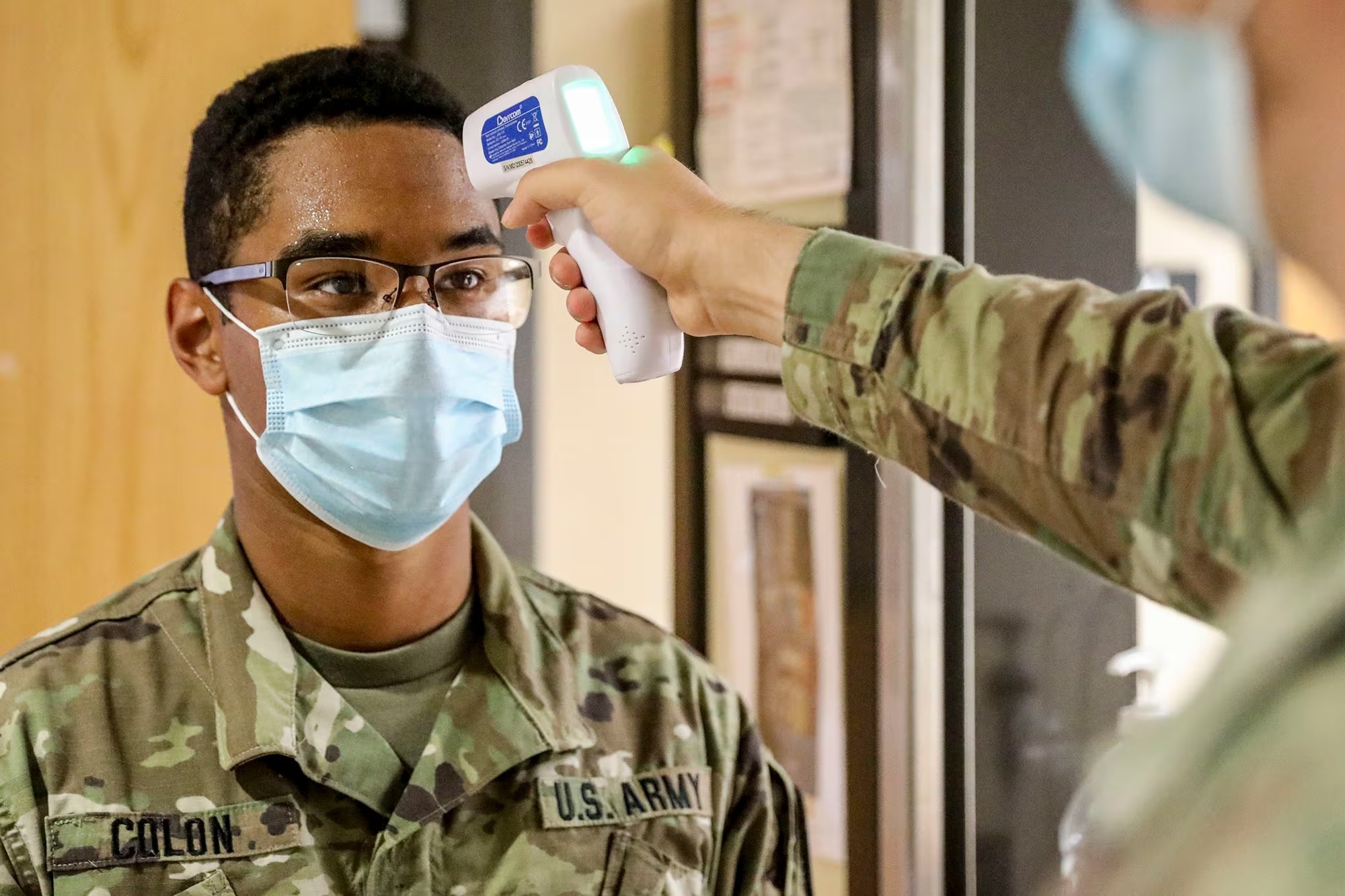
The significance of XTEMP lies in what it may change on the ground. In current military heat illness practice, official guidance still treats rectal temperature as the best-practice field method for obtaining core temperature in suspected exertional heat illness. That standard matters clinically, but it is also intrusive, time-consuming, and not well suited to routine screening across large numbers of trainees or troops in motion. BlinkThermal’s pitch is different: a rapid, contactless reading that can be taken earlier, more often, and with far less friction. That matters because the Air Force award abstract explicitly notes that core body temperature is often the first vital sign to become problematic in exertional heat injury, yet is rarely measured in trainees until it is too late.

What this means for training
In training environments, XTEMP could be especially valuable at the moments when commanders and medics need fast decisions rather than elaborate procedures. During basic training, field exercises, long marches, weapons ranges, or survival courses in extreme heat, a touch-free system could help identify rising thermal risk before a soldier progresses from heat strain to heat exhaustion or heat stroke. That is aligned with the broader military push toward earlier detection. USARIEM, for example, has highlighted next-generation heat monitoring systems that give leaders real-time visibility into an individual’s heat risk in the field, underscoring the Pentagon’s interest in prevention rather than reaction. XTEMP appears well positioned within that same prevention-first direction, with the added advantage of a contactless, camera-based workflow.
Ultimately, XTEMP represents a promising shift in how the military could approach heat risk: from delayed recognition to earlier detection, from invasive spot checks to contactless screening, and from treating collapse to identifying risk before collapse happens. For U.S. soldiers and other service members training or operating in hot, desert, and high-exposure environments, that shift could translate into fewer casualties, fewer lost training days, and stronger readiness when heat is part of the mission rather than an exception to it.

More Industry