Heat Stress
Heat stress is more than feeling hot or uncomfortable. It happens when the body takes on more heat than it can release, whether from high temperatures, humidity, direct sun, heavy clothing or protective gear, or intense physical effort. When that heat load keeps building, the body begins storing heat faster than it can cool itself, increasing the risk of fatigue, dehydration, heat exhaustion, and, in severe cases, heat stroke.
Under normal conditions, the body fights heat with two main tools: sweating and increased blood flow to the skin. Those responses help move internal heat outward so it can evaporate or dissipate into the environment. But when the air is too hot, too humid, or the workload is too high, those cooling systems can start to fall behind. That is when core body temperature can rise, and symptoms such as headache, dizziness, nausea, weakness, confusion, or heavy sweating can appear. In the most dangerous cases, heat stroke becomes a medical emergency.
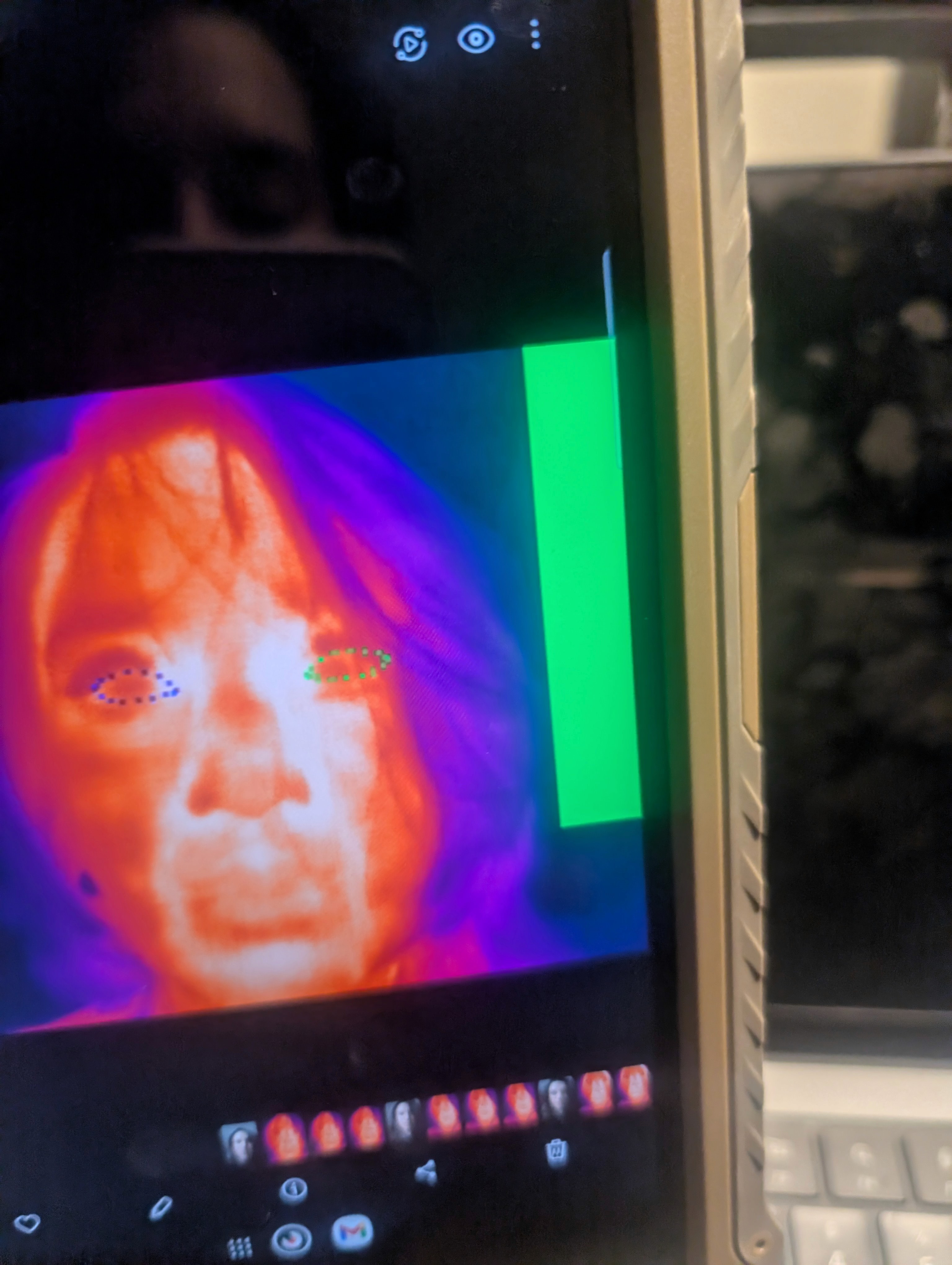
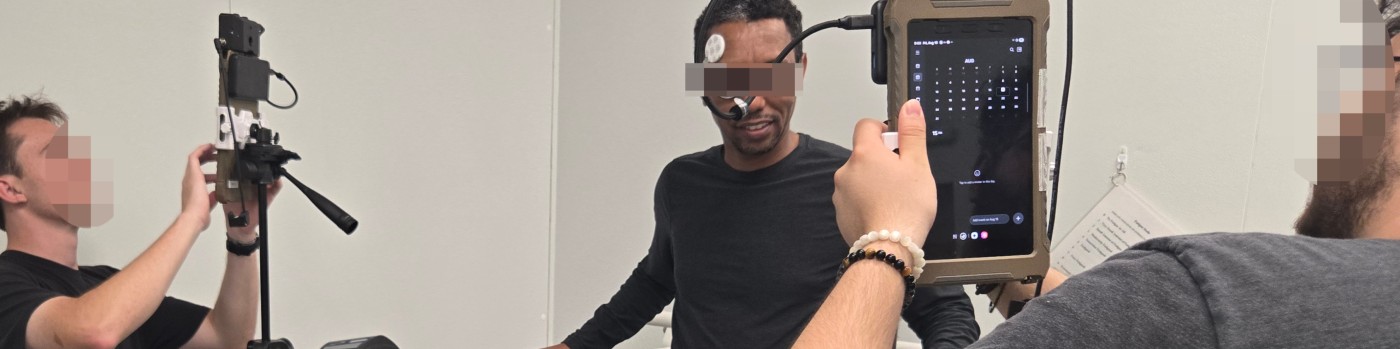
One of the biggest challenges with heat stress is that it does not always announce itself early enough. By the time someone clearly looks distressed, their physiology may already be under significant strain. That is why core body temperature matters so much: it gives a more direct view of what is happening inside the body, not just what is happening on the skin. BlinkThermal’s XTEMP technology is built around that idea. According to BlinkThermal and related U.S. SBIR award abstracts, XTEMP uses infrared thermographic data from the eye’s surface and computational processing to estimate temperature at the back of the eye, enabling rapid, contactless core temperature measurement on compact camera-equipped devices.
How the Software Works
That eye-based approach is especially compelling because surface temperature alone can be misleading. Skin temperature changes with sun exposure, wind, ambient temperature, clothing, exertion, and sweat evaporation. Core temperature, by contrast, is the signal clinicians and performance teams care about when they want to understand internal heat strain. BlinkThermal’s development materials position XTEMP as a way to close that gap by moving from simple surface checks toward a more meaningful estimate of internal thermal status.
But heat stress is not just about one number. As the body works to protect itself, blood flow to the skin shifts, sweating patterns change, and different parts of the body may show different thermal signatures. Human heat regulation depends heavily on sweating and cutaneous vasodilation, so uneven or unusual surface heat patterns can offer useful context about how the body is coping with thermal load. BlinkThermal says XTEMP is designed not only to assess body temperature through the eye, but also to detect irregular heat patterns and other thermal irregularities such as inflammation-related changes across the body.
Closure
That dual view matters. A core-temperature reading can indicate whether the body is trending toward dangerous internal heat strain. A broader thermal view can add another layer, helping reveal whether heat is presenting unevenly across the body or whether certain areas are showing abnormal thermal behavior. Together, those signals could support earlier decisions to hydrate, rest, cool down, change workload, or move someone out of a high-risk environment before symptoms escalate. CDC guidance emphasizes exactly those kinds of preventive actions for people exposed to dangerous heat.
This kind of monitoring could be valuable in settings where heat stress risk is constant and response time matters: outdoor work, military training, sports performance, emergency response, and even family or elder care. Workers in hot indoor and outdoor environments are at elevated risk, especially when dehydration, lack of acclimatization, physical exertion, or protective clothing are involved. NIOSH also notes that acclimatization takes time and that the body’s adaptations to heat can be lost after time away, which makes ongoing monitoring even more relevant in real-world conditions.

Wrap-up
The larger shift here is from reactive care to proactive awareness. Instead of waiting for obvious signs of heat illness, technologies like XTEMP point toward a future where heat stress can be recognized earlier, more comfortably, and without physical contact. BlinkThermal’s vision is not just to read core body temperature through the eye, but to pair that insight with irregular heat-pattern detection to create a fuller picture of wellness and heat burden. In a world where heat exposure is becoming a bigger health and performance issue, that combination could make monitoring faster, smarter, and more actionable.

More Industry